

Your family's
own museum
Bring the box of papers. Vitrine builds the tree, reads the documents you add, and gives your family a guide that answers from your own records, citing each fact.
Did a relative send you a link?
Want a museum for your family?
Start your family's museumFree. Start with yourself and your grandparents, or bring a GEDCOM file.
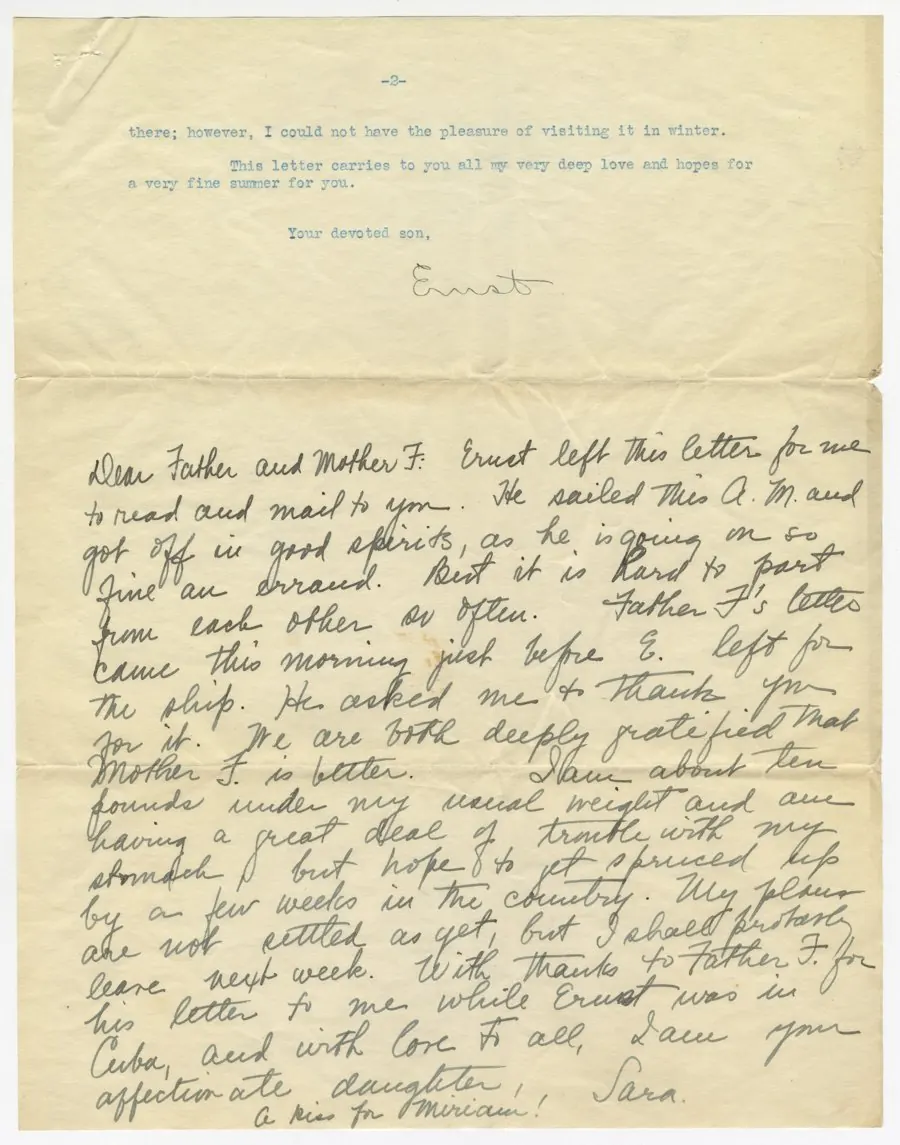
Read by AI · not yet checked
“Ernst left this letter for me to read and mail to you. He sailed this A.M. and got off in good spirits…”
Two hands on one sheet: typed by Ernst, written by Sara. Transcribed by the Loupe, Vitrine’s reading AI.
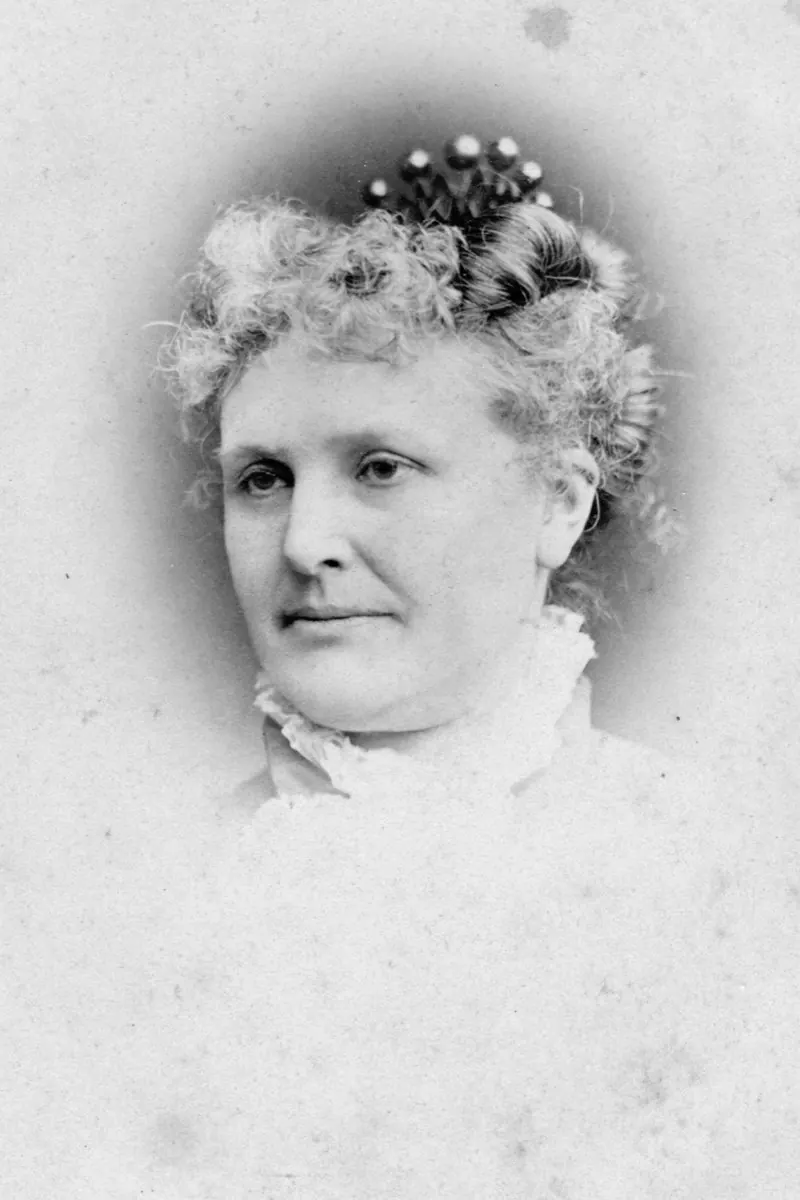
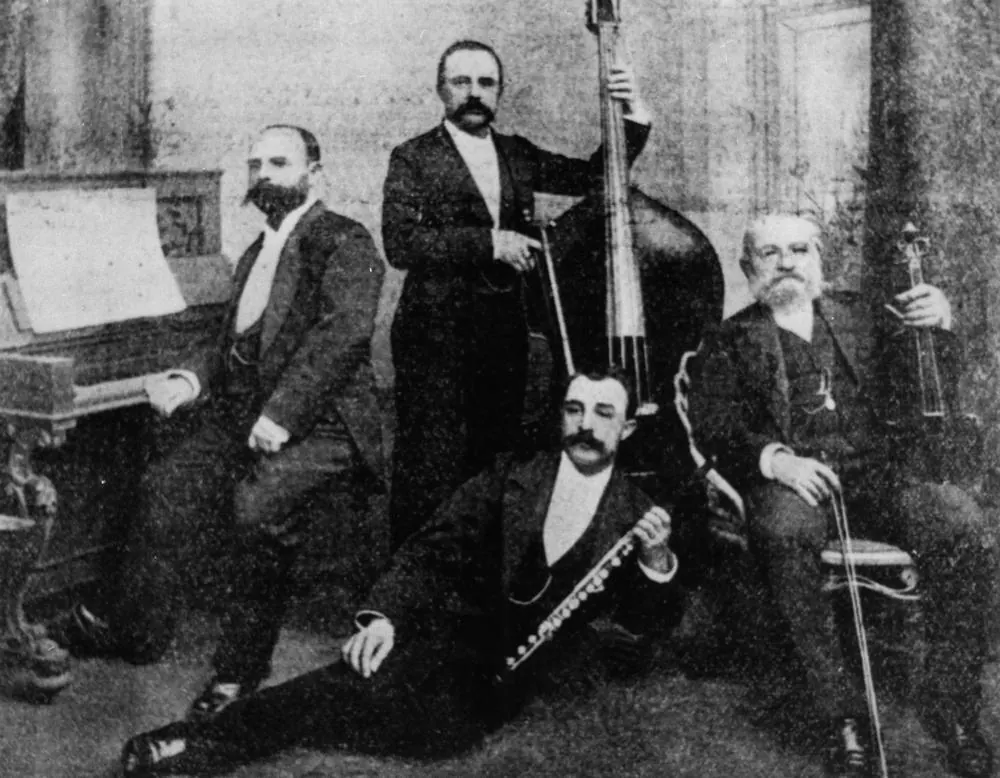
Every photograph, with who is in it
The family's photographs are linked to the people in the tree: open anyone and see every photo they are in. Whoever has no name yet keeps the question in view, for whoever can answer it.
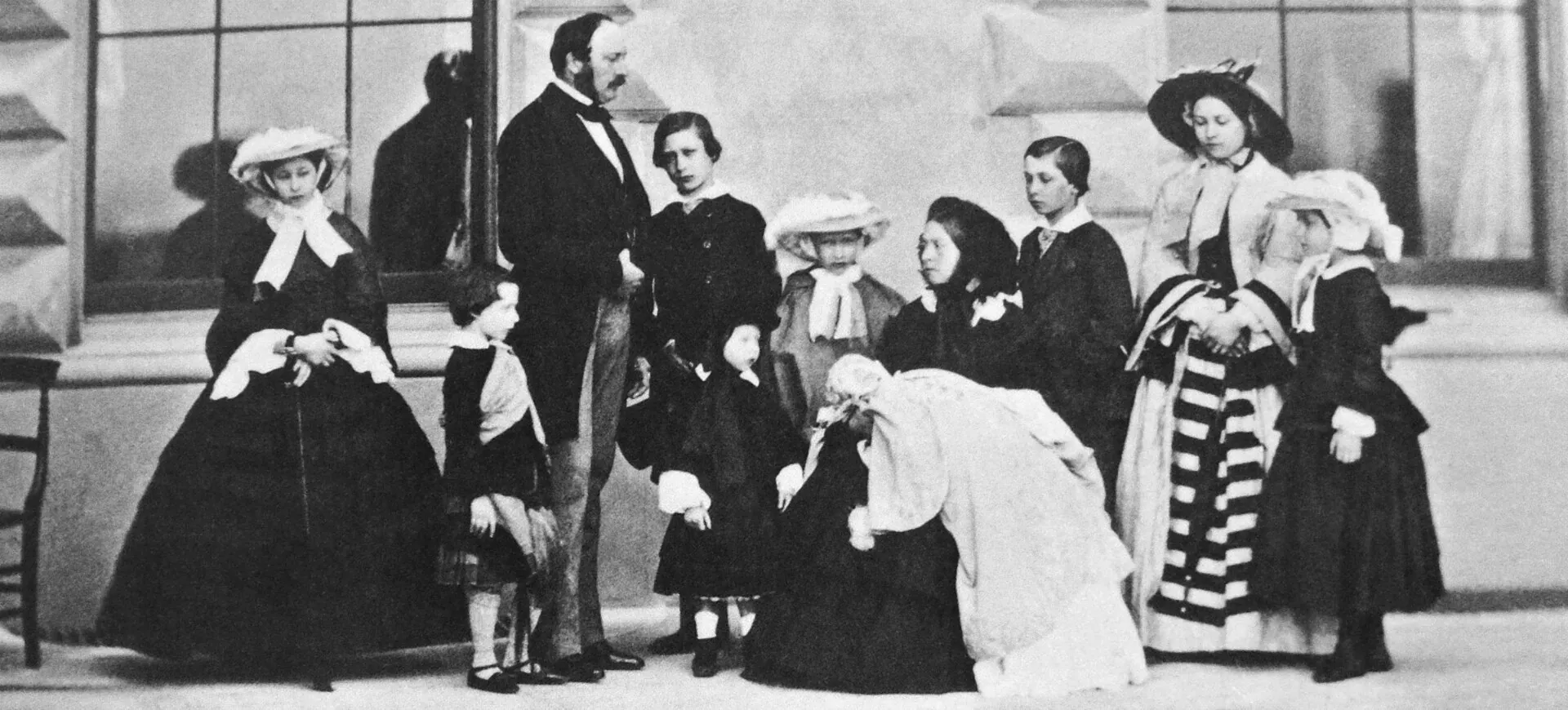
In the photograph, left to right
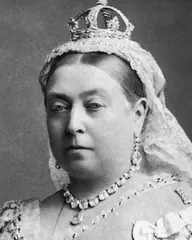
Animated by AI
A short loop made from the original portrait, which stays as it was. It always carries this label.
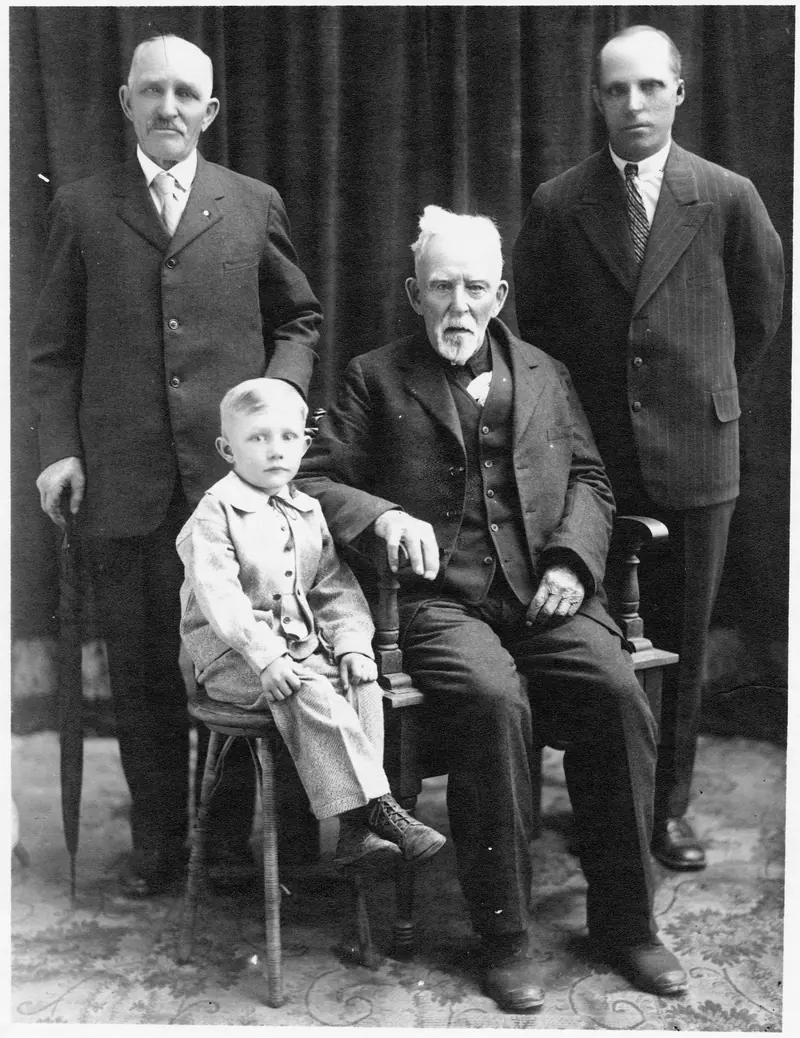
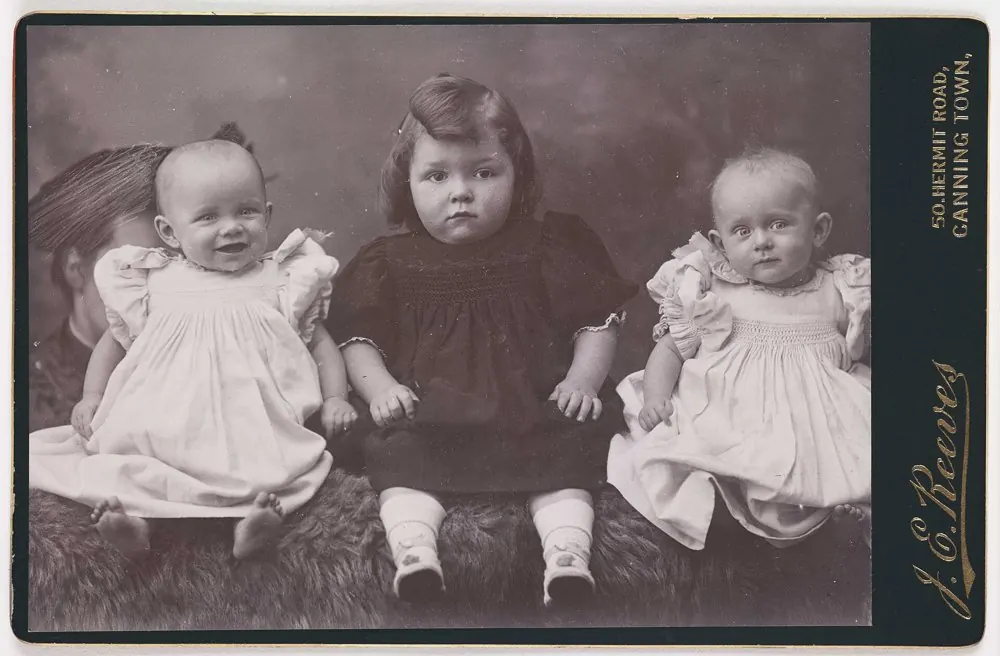
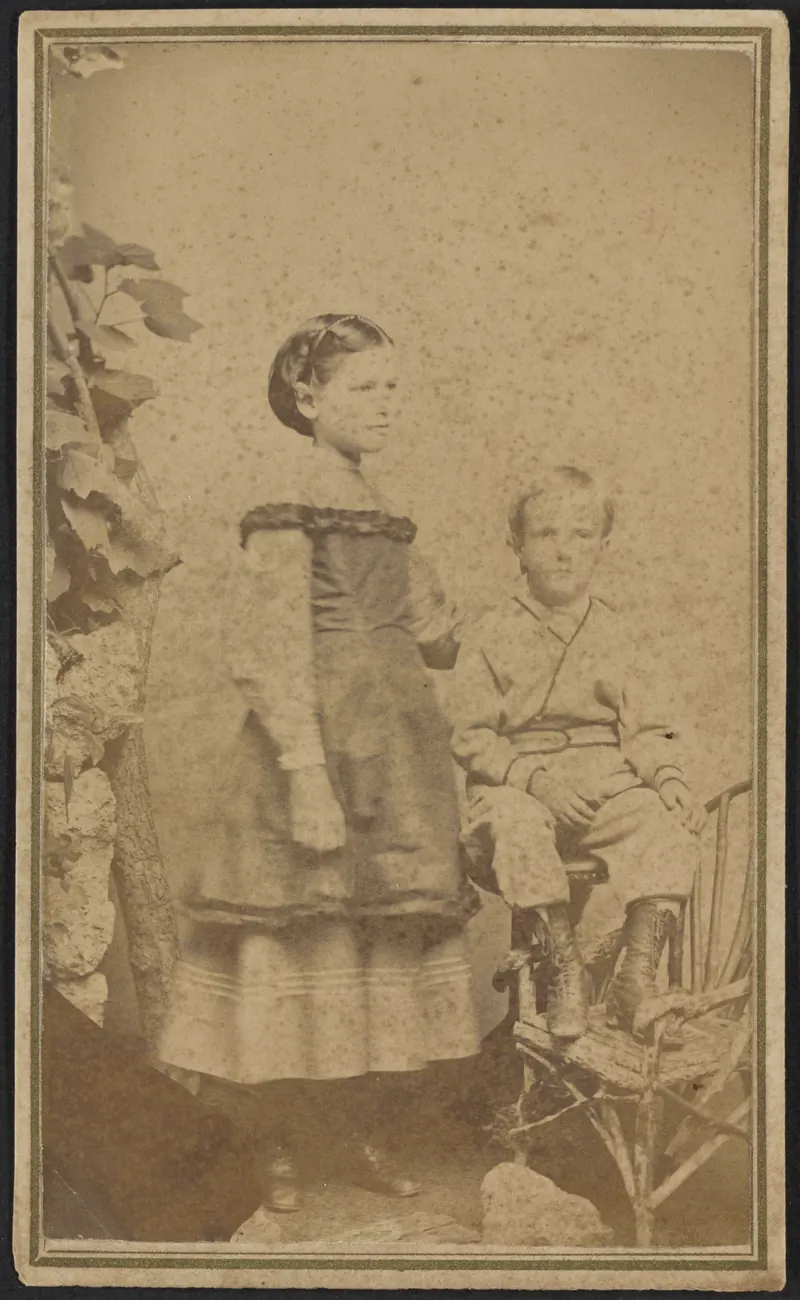
Coming nextRestoring and colouring old photographs, always labelled and with the original kept; asking a relative who is in a photo; and walls of portraits for a branch, a place or a decade.
The papers in the box, read
Photograph a letter, a certificate, an old card. The Loupe, our reading AI, writes out what it says, translates it and explains the old words. The people, dates and places it finds go into your tree marked “not yet checked”, until someone in your family confirms them.
These examples are public papers from Wikimedia Commons.
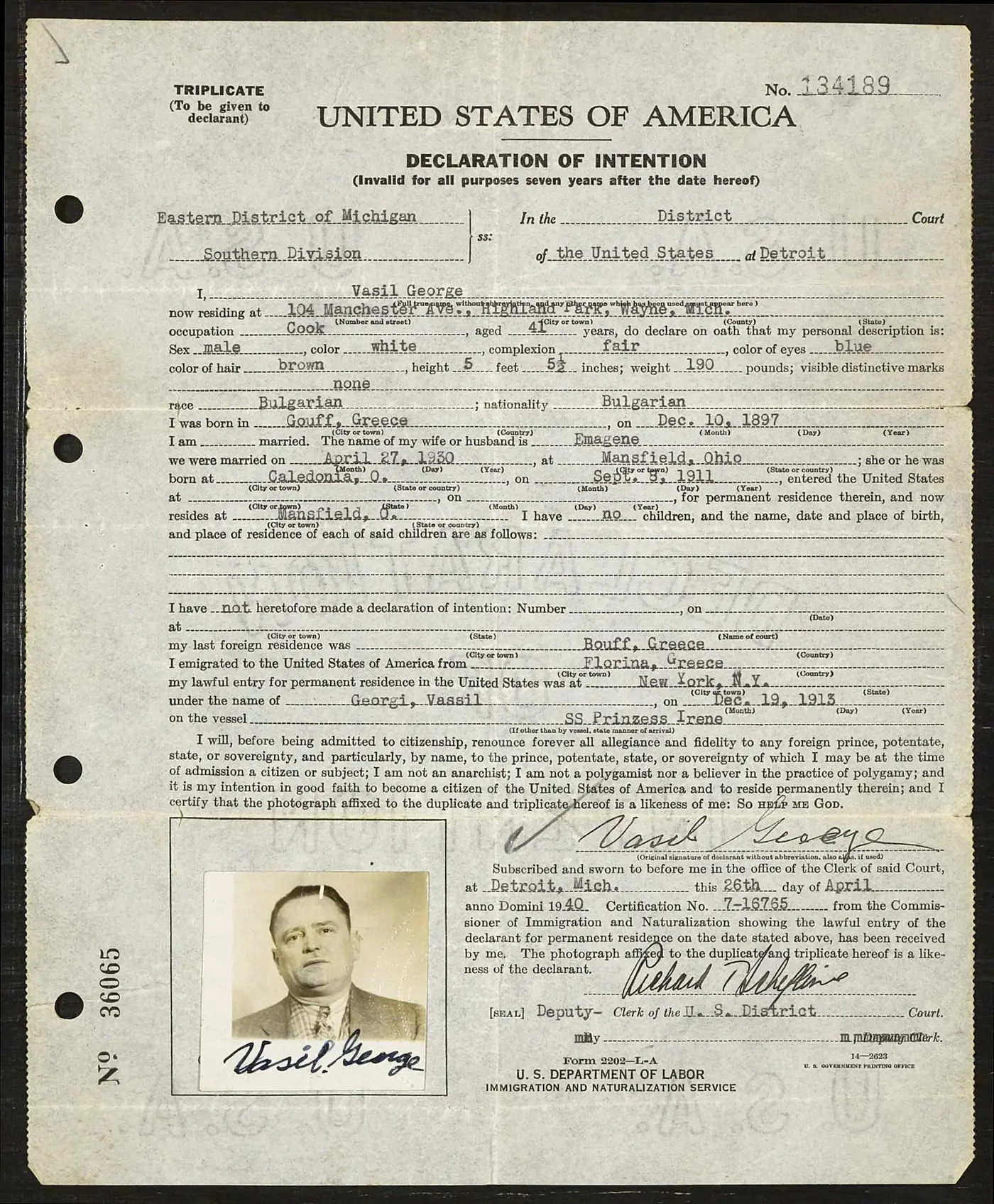
What the Loupe found
Read by AI · not yet checked
Typed on the form
- I was born in Gouff, Greece, on Dec. 10, 1897
- Born 10 December 1897 in Bouf, Greece
- The name of my wife is Emagene
- Married Emagene, 27 April 1930, in Mansfield, Ohio
- lawful entry … New York, N.Y. under the name of Georgi, Vassil
- Arrived in New York, 19 December 1913, as Vassil Georgi
- on the vessel SS Prinzess Irene
- Crossed on the SS Prinzess Irene
An old term · “Declaration of intention”: an immigrant’s first papers. The petition for citizenship came at least two years later.
Found in it, added to the tree as “not yet checked”
- Vasil George, born 1897; a cook in Highland Park, Michigan
- Emagene, his wife, born 1911 in Caledonia, Ohio
- His village is typed “Gouff” here and “Bouff” below: we think both are Bouf, in Greece
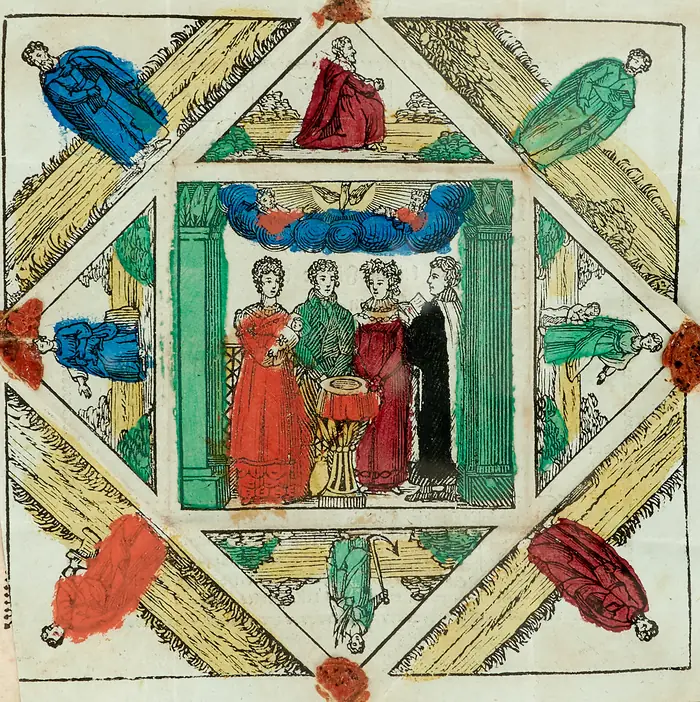
An old word, explained
An old German word the Loupe explains: a baptism letter from a godparent, folded around a coin.
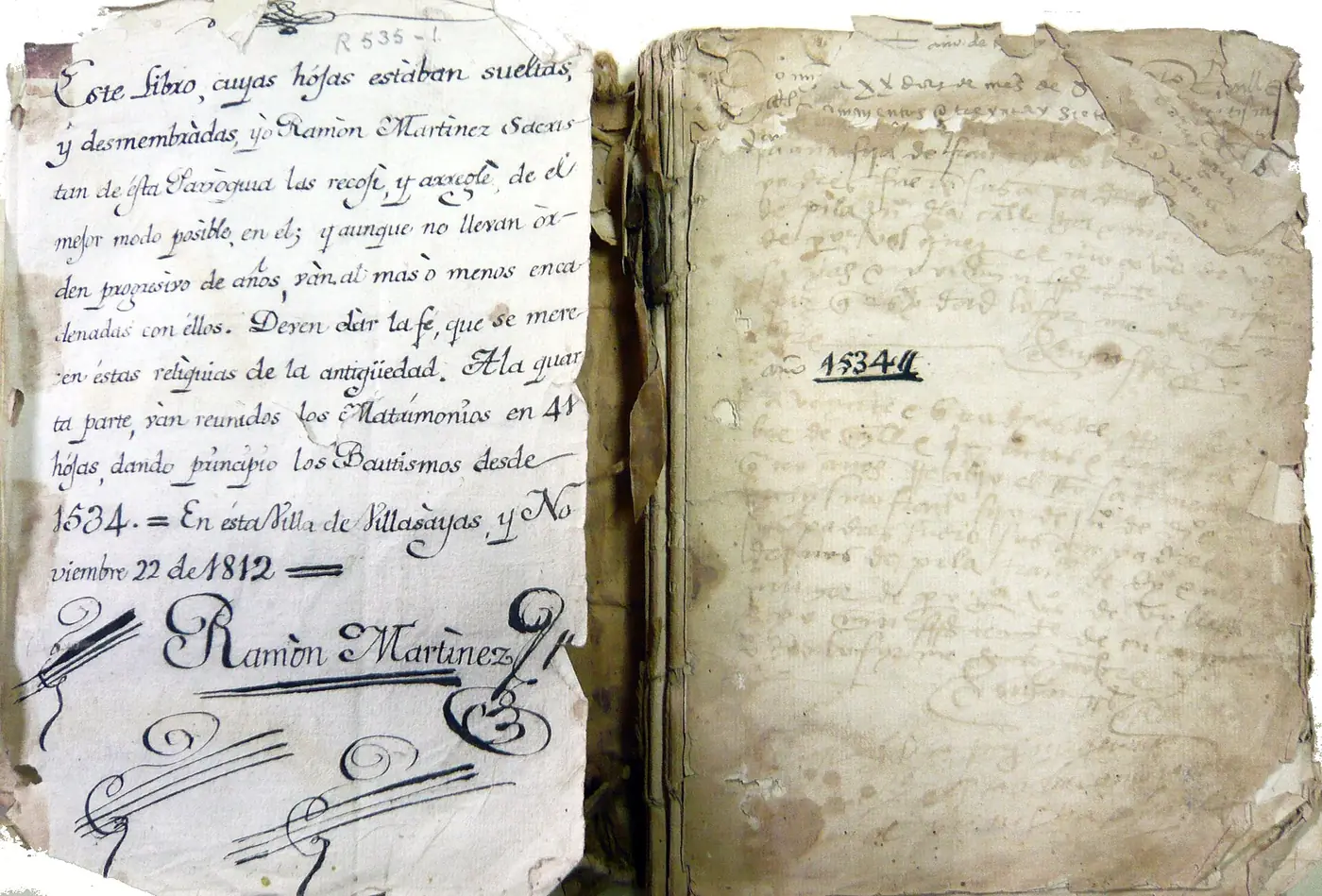
Parish register of Villasayas, Spain
Kept from 1534 to 1812 · read page by page
A curator, someone in your family you chose, compares the reading with the page. What they confirm gets the Registro stamp. Curators are always family, never Vitrine staff.
The AI never stamps its own reading.
A tree centred on you
Open any page and it says how that person is related to you. Your cousin opens the same museum and finds themselves at the centre.
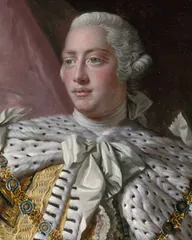

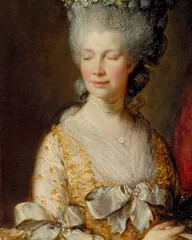

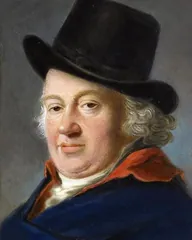
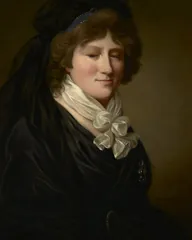
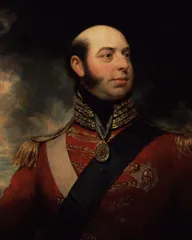
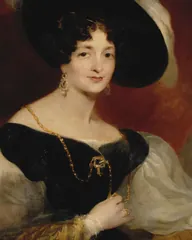
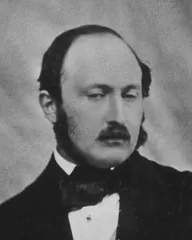
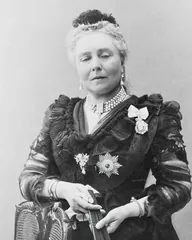
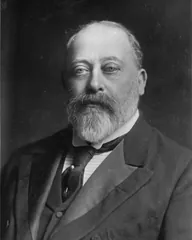
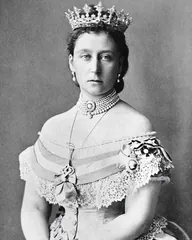
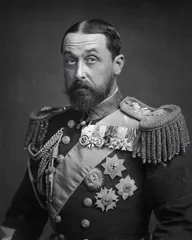
Royal Houses of Europe · seen from Queen Victoria
Living people stay private
Ana Ferreira Costa
Living · an example
- Birth
- Born 14 March 1987, Campinas, São Paulo
- Photographs
- 23 photographs
- Papers
- 4 papers
- Every living relative stays with their family: only family sees their dates, photographs and papers. A visitor sees their name, and anyone else only how many living relatives there are.
- A family museum's living never show up for the public, not in search and not by name. Those who died are open to anyone, as on other genealogy sites, unless a curator keeps them private.
- Children see only what one of your family's curators approved.
Ask the guide
It answers from your museum's own records and cites every fact. It says how sure it is, and when the records don't say, it says so. The people and places it names open their pages; the papers it cites open on the page they came from.
Members ask about their own family, inside their museum: every answer is written by an AI and paid with the credits each account gets every month. Start your family's museum
The guide · Royal Houses of Europe
Answers only from the archive, citing its sources.


 by Vitrine
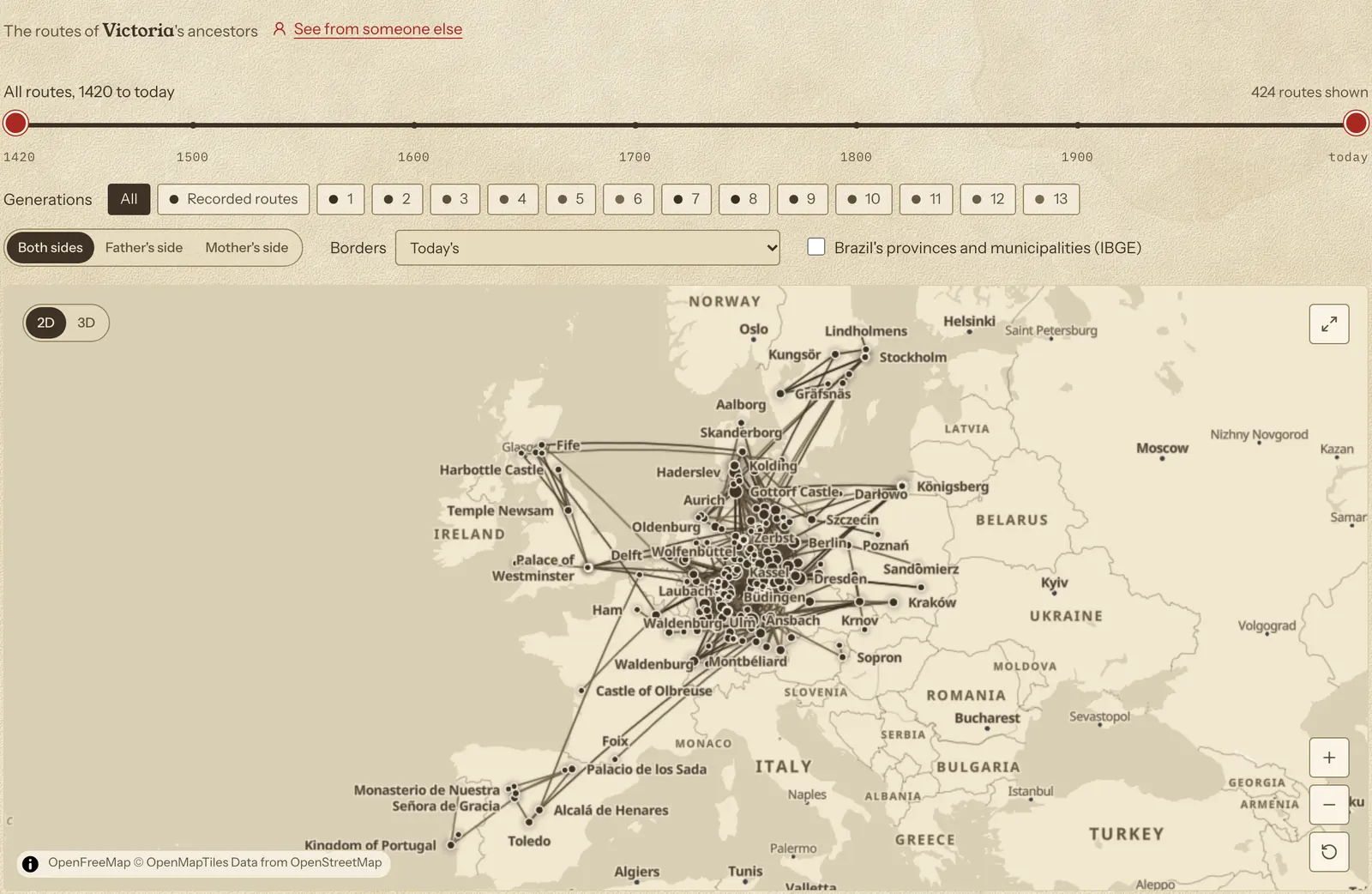
Where they came from
Every birthplace goes on the map, and each move from a parent's birthplace to a child's becomes a route, generation by generation.
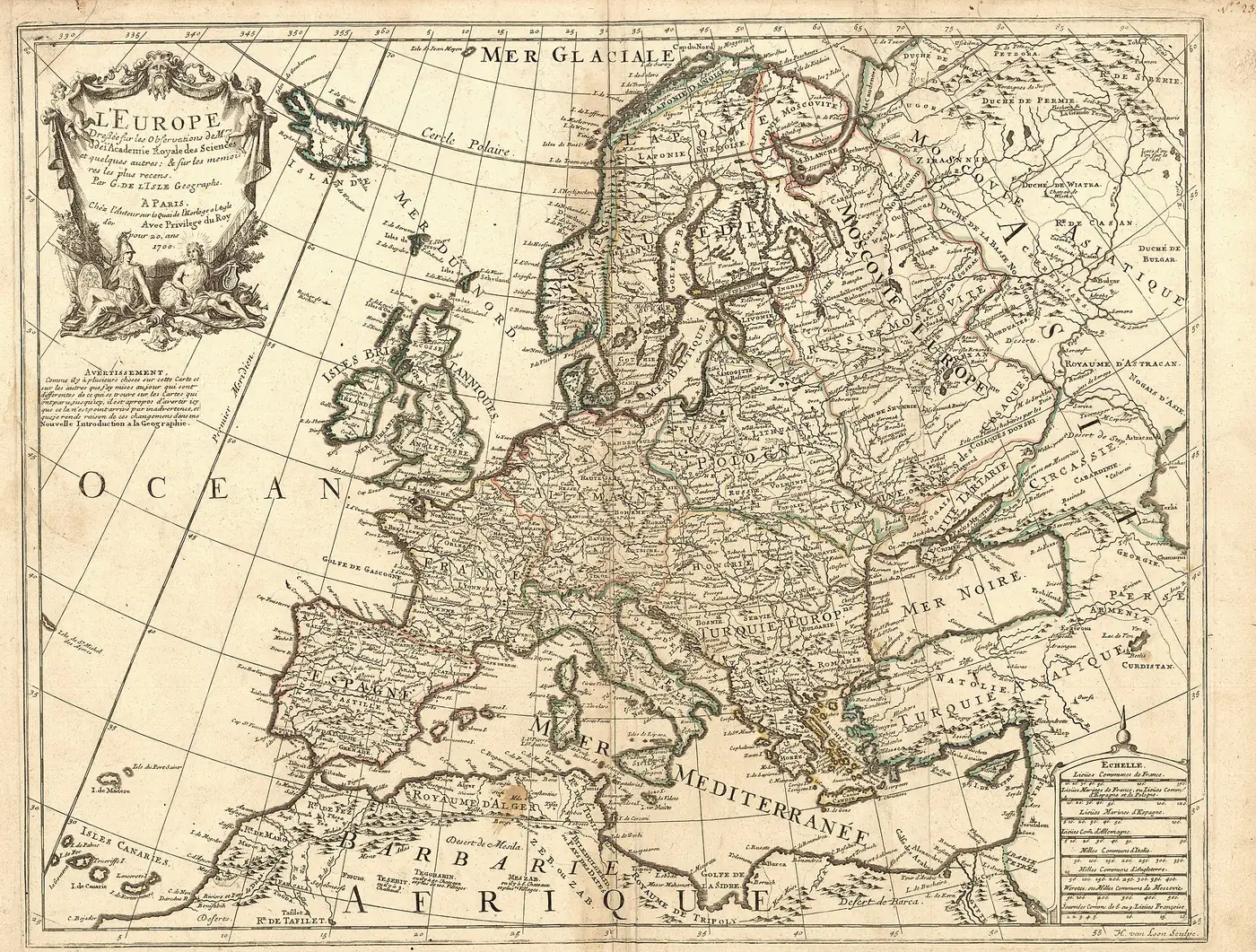
What was it like? London, 1819
A Snapshot of London Life Around 1819
A 1817 walk offers a snapshot close to 1819: in St James’s Park, Richard Phillips saw 100 mothers, nurses and other adults with as many children, drawn by milk warm from the cow; he estimated that 16,000 people passed to and from London each day between 8 a.m. and 6 p.m., within seven miles. A Regency-era account describes lively street life, including ceremonies and poor people persistently asking the better-off for payment; it also says 20,000 visitors attended the Watercolour Society’s annual exhibition around 1810.
“On my entrance into the park, I was amused and interested by an assemblage of 100 mothers, nurses, and valetudinarians, accompanied by as many children, who are drawn together at this hour every fine morning by the metropolitan luxury of milk warm from the cow. I remarked that few were walking in my direction; but that all the faces and foot-steps were earnestly directed towards London.”
Found on the web · londonist.com · 1 more source · not yet reviewed
How it starts
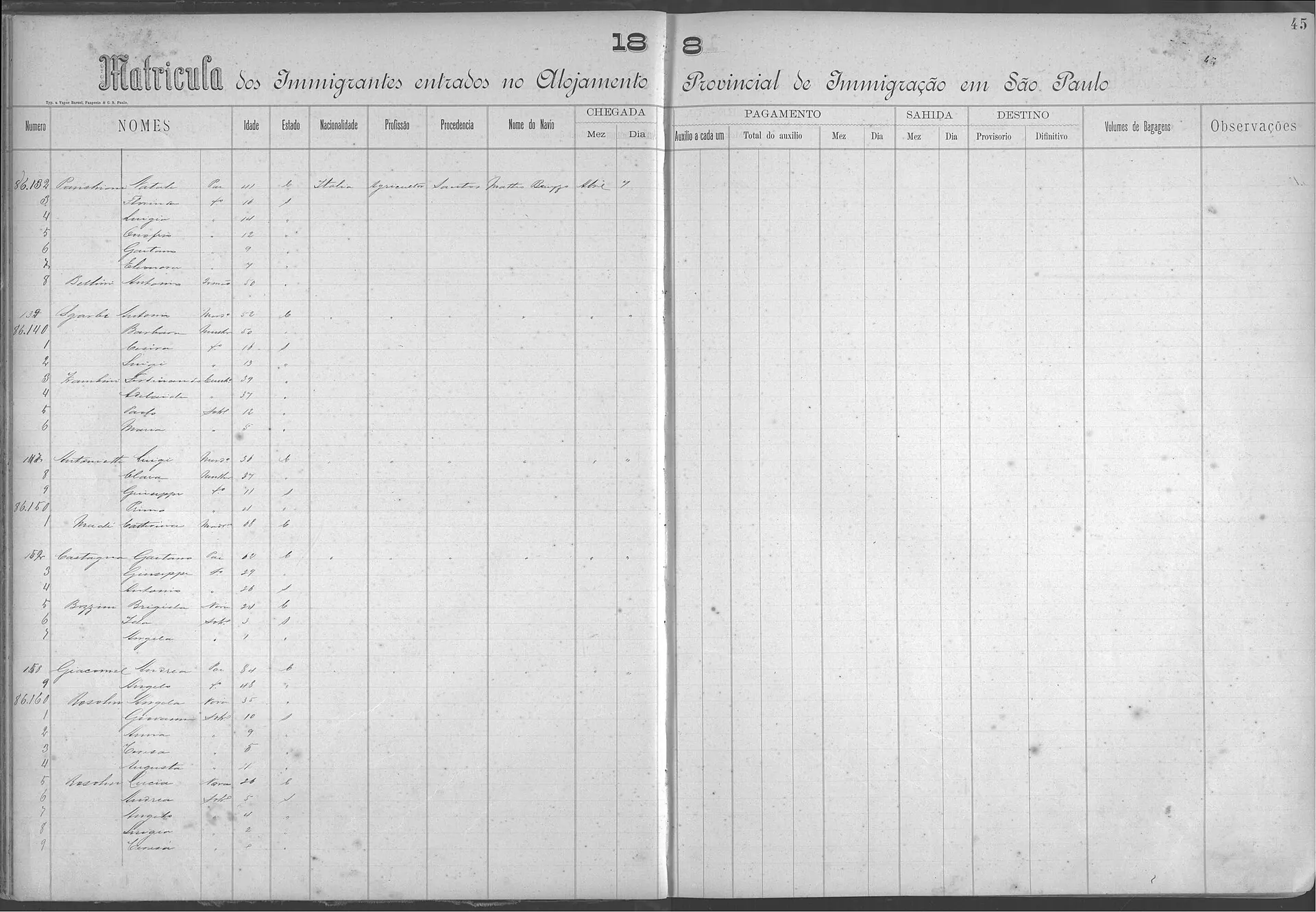
1. First, your surnames The names you and your parents carry are enough to begin. A file exported from another genealogy site (GEDCOM) works too.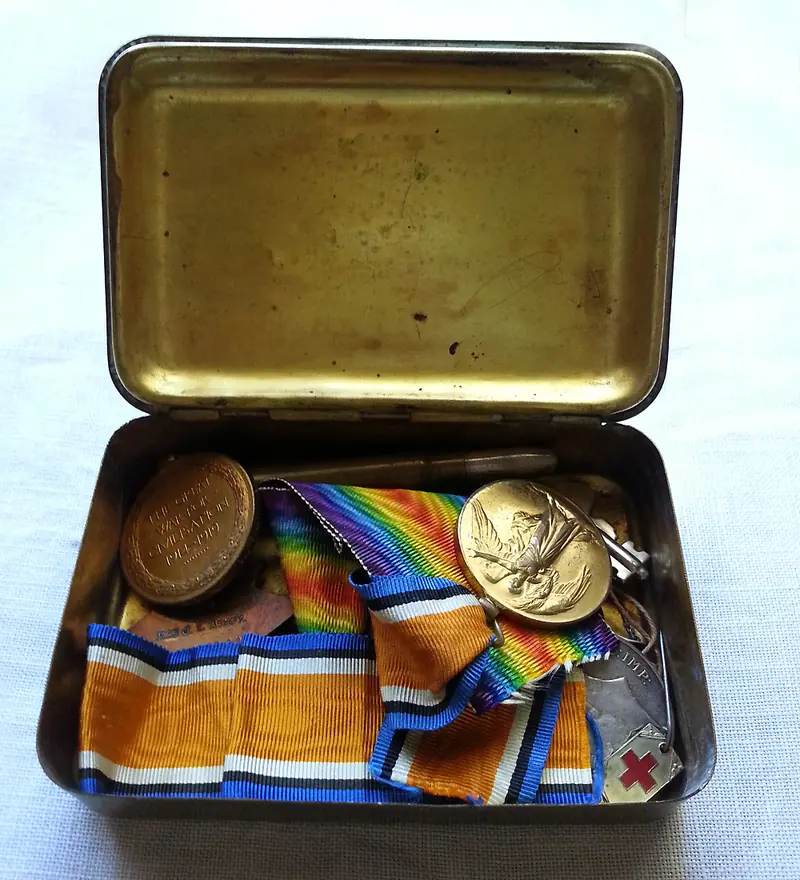
2. Then the box of papers Photographs, letters, certificates, medals: whatever the family kept, even the damaged.Checked against the declaration
Vasil George
Birth
10 December 1897, Bouf, Greece
Arrival
19 December 1913, New York
3. Your curators checkWhat the Loupe finds waits, unreviewed, until a relative your family chose as curator confirms it. 4. Invite your relatives Each one sees the tree from where they stand. Living people and private documents stay among family.
What people ask first
- How do I get into my family's museum?
- With the invitation a relative sends you by WhatsApp or email. Family museums are private: nobody joins one without an invitation.
- Who can see it?
- The living: only the relatives your family invites, and the few of us who run Vitrine, and their dates, photographs and papers only by their own family. Those who died: anyone, as on other genealogy sites, unless a curator keeps them private.
- Who checks what the AI reads?
- A curator: someone in your family you chose. The AI never stamps its own reading.
- How does a museum start?
- Make an account with your email, then add yourself, your parents and grandparents, or bring a GEDCOM file. It's free.
See one already built
Royal Houses of Europe: 6,678 people, 19 generations, 2,435 places, built the same way yours would be.
Open the Royal Houses museum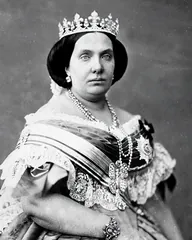
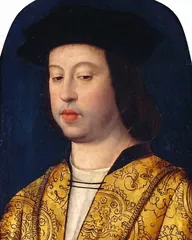
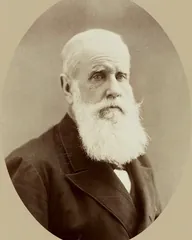
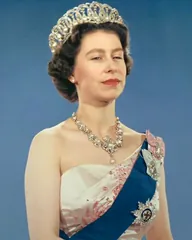
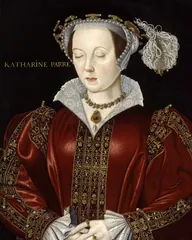
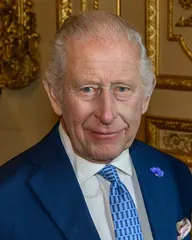
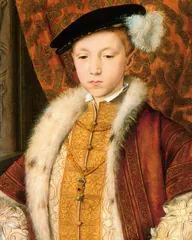
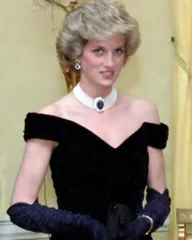
Look someone up there
Kings, queens and their families from five centuries. Family museums are private: members sign in to search theirs.
Start your family's museum
Make an account with your email, then add yourself, your parents and your grandparents, or bring a GEDCOM file from another genealogy site. Your living relatives are seen only by the relatives you invite; those who died are open to anyone, as on other genealogy sites. Your family chooses its own curators. It's free.
Start your family's museumAlready joined? Sign in